Face Serum: What Is It Used For and How to Choose the Right One
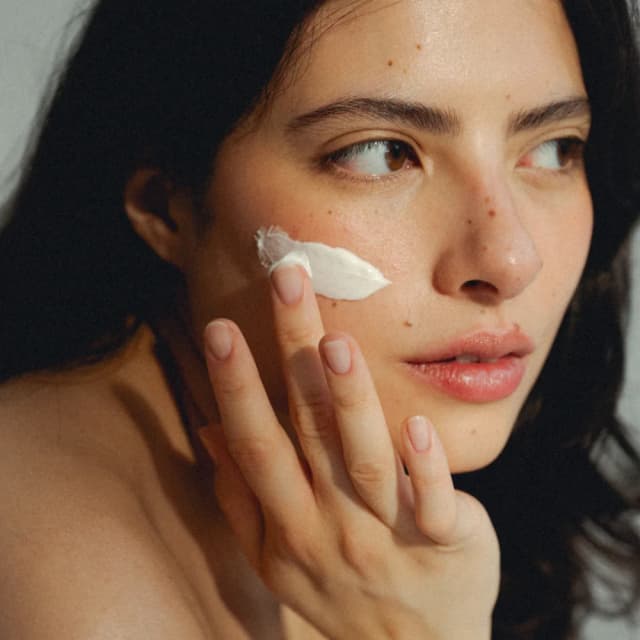
Face Serum: What Is It Used For and How to Choose the Right One
A face serum is a lightweight skincare product with a fluid, gel or light oil texture, highly concentrated in active ingredients. It targets specific skin concerns such as hydration, radiance, wrinkles and imperfections. You apply it after cleansing and before your moisturiser. Unlike a cream, which helps protect the skin's surface, a serum delivers active ingredients to address specific skin needs.
In this article, you will discover why a serum deserves a place in your skincare routine and how to choose the right face serum for your skin type. You will also learn how to apply it and what to check before purchasing. The goal is simple: to help you make an informed choice without endless searching.
At Luxamour, we offer natural, vegan and niche skincare products, and you can try selected products before purchasing through samples. This is particularly useful for serums, which can sometimes be more expensive than other skincare products and whose results depend greatly on your skin.
Why Use a Face Serum?
A serum delivers a concentrated dose of active ingredients that your moisturiser alone may not provide at the same level. It complements your moisturiser without replacing it.
What Does a Serum Do for Your Skin?
A serum is designed to deliver targeted active ingredients in a lightweight texture that absorbs quickly. Its formula generally contains fewer oils and a higher concentration of active ingredients such as hyaluronic acid, vitamin C, niacinamide, retinol and peptides. It helps address specific skin concerns without making your skin feel heavy.
This lightweight texture makes a difference to your skincare routine. You can layer a serum underneath your moisturiser without leaving a greasy feeling and change your serum according to the season. Dehydrated skin may need a hydrating serum in winter, while a radiance-boosting serum may be more suitable during summer.
A serum targets a specific skin concern, while a cream protects the skin. They do not serve the same purpose.
Serum vs Cream: Understanding the Differences
| Criteria | Serum | Cream |
|---|---|---|
| Texture | Fluid, gel or lightweight oil | Richer and more enveloping |
| Main purpose | Targets specific skin concerns with active ingredients | Hydrates, nourishes and protects the skin's surface |
| Active ingredient concentration | High | Generally more moderate |
| Application order | First, after cleansing | After the serum |
| Quantity | A few drops | A small, pea-sized amount |
This table explains why a serum should not replace your moisturiser. Serums generally contain fewer lipids and provide less protection against water loss from the skin. Even if you have oily skin, choose a lightweight moisturiser rather than skipping it altogether.
Which Skin Types Can Use a Serum and At What Age?
All skin types can benefit from a serum when they have a specific skincare concern. At 20, you may mainly look for hydration or help with imperfections. Around 30, an antioxidant such as vitamin C can become an interesting addition to your routine. After 40, retinol and peptides can help target the appearance of wrinkles.
Men can also benefit from face serums, particularly when dealing with tired-looking skin or irritation caused by shaving. Luxamour also offers serums with peptides and anti-ageing benefits in its men's grooming selection.
How to Choose a Face Serum According to Your Skin Needs
Choose your serum based on your main skin concern, then check the key active ingredient in the formula. Focusing on one main concern at a time makes it easier to understand the results.
Active Ingredients That Make a Difference
| Skin Concern | Ingredient to Look For | What You Should Know |
|---|---|---|
| Hydration | Hyaluronic Acid | Helps retain water, plumps the skin and suits almost all skin types. |
| Radiance and Dull Skin | Vitamin C | Apply in the morning alongside sun protection. |
| Dark Spots and Uneven Skin Texture | Niacinamide (Vitamin B3) | Generally well tolerated and suitable for morning and evening use. |
| Wrinkles and Firmness | Retinol and Peptides | Retinol is best used at night and introduced gradually. |
| Skin Imperfections | Salicylic Acid and Zinc | Use carefully, particularly if you have sensitive skin. |
A high concentration does not automatically guarantee better results. Every active ingredient has an effective concentration range, and exceeding it may mainly increase the risk of irritation. Focus on the overall quality of the formula instead.
Choose the active ingredient that addresses your skin concern, not the one with the highest percentage.
Hydration and Radiance
For tight, dehydrated or dull skin, hyaluronic acid is one of the safest choices. It attracts water into the upper layers of the skin, helping it appear smoother, softer and more plump. It is generally well tolerated by sensitive skin.
For a brighter complexion, vitamin C is a popular antioxidant. It helps improve the appearance of uneven skin tone. However, it may cause a tingling sensation on reactive skin, so start by using it every other day. Niacinamide is another gentler alternative worth considering.
Anti-Ageing and Skin Imperfections
When it comes to wrinkles, retinol remains one of the most extensively studied active ingredients. It is applied in the evening, in a small quantity, and should be introduced gradually over several weeks. Retinol is not recommended during pregnancy; consult your healthcare professional for advice. Peptides offer a gentler alternative for supporting the appearance of skin firmness.
For imperfections, look for a serum containing salicylic acid or zinc. These ingredients help unclog pores and regulate excess sebum. Avoid combining several exfoliating active ingredients in the same evening routine.
How to Apply a Face Serum
Apply your serum to clean skin before your moisturiser, using a small amount. The entire process takes less than a minute.
Steps: From Cleansing to Moisturising
- Cleanse your face and neck with a gentle cleanser, then pat your skin dry with a towel.
- Place a few drops of serum into the palm of your hand.
- Apply the serum to your face using gentle pressing movements, working from the centre outwards.
- Wait a few seconds until your skin no longer feels sticky.
- Finish with your moisturiser and, in the morning, apply sunscreen.
The general rule is to apply products from the lightest texture to the richest. If you use two serums, apply the lighter one first. This helps prevent a thicker formula from interfering with the absorption of the next product.
Morning, Evening or as a Treatment Course?
In the morning, prioritise a hydrating or antioxidant serum containing ingredients such as hyaluronic acid or vitamin C, followed by sun protection. At night, your skin enters its natural renewal process, making it a suitable time to use retinol or a repairing serum.
Some serums can be used continuously, while others may be used as a treatment course lasting three to four weeks, particularly when they contain potent active ingredients. If your skin feels hot or becomes red, reduce application frequency or stop using the product.
Quantity and Cost per Use
Three to four drops are generally enough for the entire face. One drop represents approximately 0.05 ml, meaning four drops equal 0.2 ml. If you use the serum morning and evening, you will use around 0.4 ml per day. A 30 ml bottle priced at €35 would therefore last approximately 75 days, costing around €0.47 per day. A more expensive serum can still offer reasonable value when used correctly.
How to Buy the Right Face Serum
Before purchasing, check the ingredient list, texture and packaging, then test the product if possible. Making the right choice comes down to these three checks.
What to Look for on the Ingredient Label
- The main active ingredient should appear among the first ingredients in the INCI list.
- Packaging matters: an opaque bottle or a protective pump helps protect ingredients such as vitamin C and retinol from light and air.
- Labels such as organic, vegan and certified natural are useful if these criteria matter to you, but they do not guarantee effectiveness on their own.
- Check the recommended skin type: sensitive, oily or mature skin.
In terms of budget, mass-market face serums often cost between €25 and €50, while more specialised and enriched formulas can be considerably more expensive, reaching up to €175 at Luxamour.
Test Before Committing to a Purchase
Perform a patch test on your forearm or behind your ear for 24 to 48 hours before applying the serum to your face for the first time. Stop using it if you notice redness or itching. After introducing the product, allow at least four weeks to assess its effects, as your skin renews itself gradually.
This is where Luxamour's sampling service can be useful. Through Trial Points, you can try selected products in smaller formats before purchasing a full-size bottle. This helps reduce the risk of spending money on expensive formulas or unfamiliar brands.
Try before you buy: it is the best way to avoid investing in an expensive serum that does not suit your skin.
Key Takeaways
A face serum is a concentrated skincare product designed to address specific concerns such as hydration, radiance, anti-ageing and imperfections. It complements your moisturiser rather than replacing it. Choose an active ingredient that matches your skin needs, apply a small amount to clean skin and give it enough time to work.
If you are unsure which natural or vegan formula to choose, start by trying samples. Explore the serum selection and sampling options at Luxamour before choosing the full-size product that truly suits your skin.